

Why Serangoon may be the most underrated district for good food and local culture.
Socials
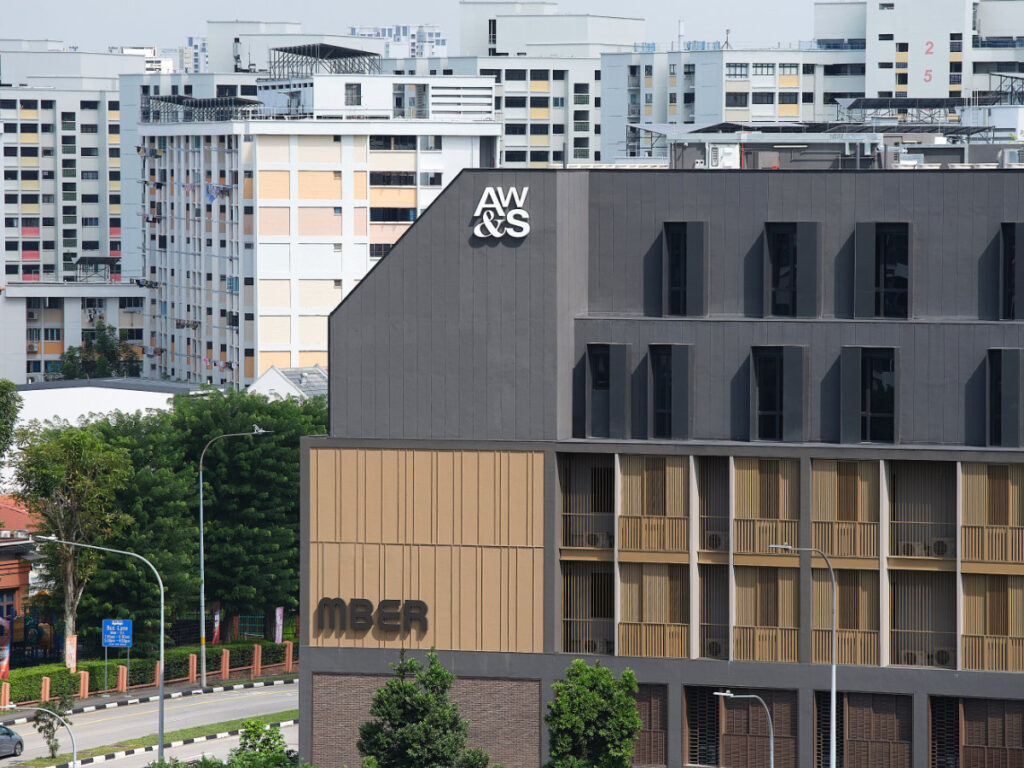
Moving to a new city is exciting. Finding somewhere to live? Less so.
For young professionals relocating to Singapore, the traditional rental route can feel unnecessarily complicated. Long leases, furniture shopping, utility accounts, internet setup and tricky landlords are hardly how most people want to spend their first few weeks in a new country.
That’s why co-living has become an increasingly smart choice for mobile professionals, entrepreneurs, remote workers and digital nomads. Beyond convenience, co-living offers something arguably more valuable: community.
The reality is that most people moving abroad don’t want to spend six months feeling like tourists. They want to discover their local coffee shop, recognise familiar faces at the gym, find their favourite hawker stall and develop a sense of belonging. The best co-living experiences don’t just provide accommodation — they provide a launchpad into local life.
And that starts with choosing the right neighbourhood.
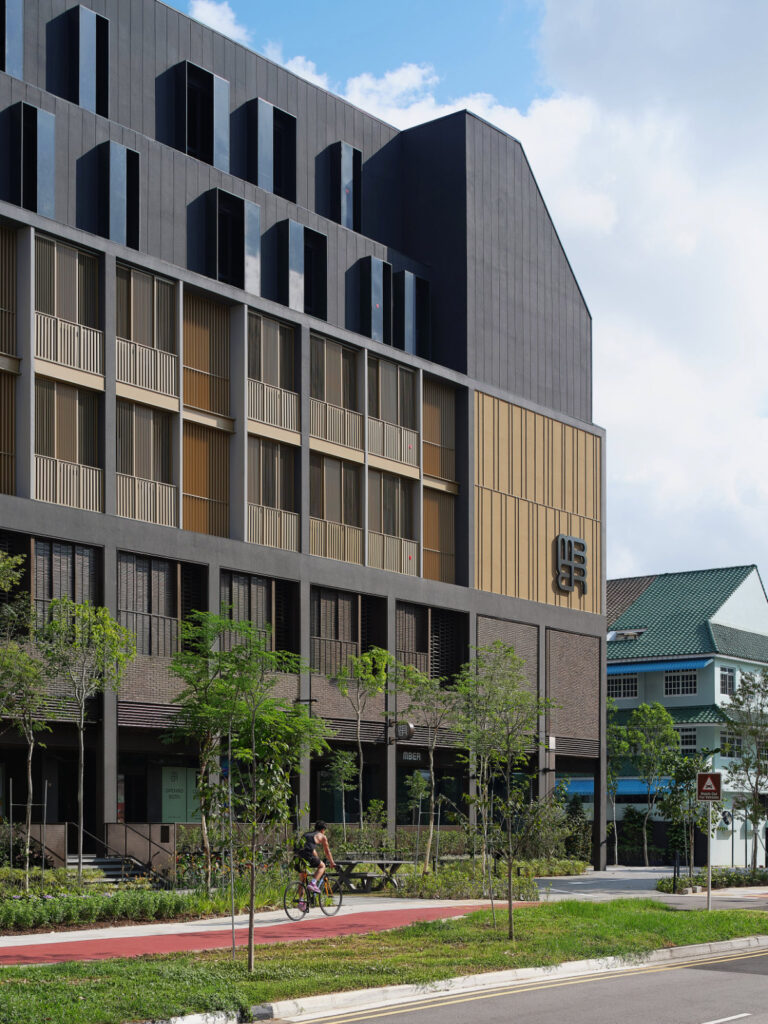
Katong and Tiong Bahru remain perennial favourites, and for good reason. But increasingly, savvy newcomers are looking beyond the usual suspects and discovering what locals have quietly known for years: Serangoon is one of Singapore’s most exciting places to live.
In fact, there’s a strong argument that Serangoon is now Singapore’s coffee capital.
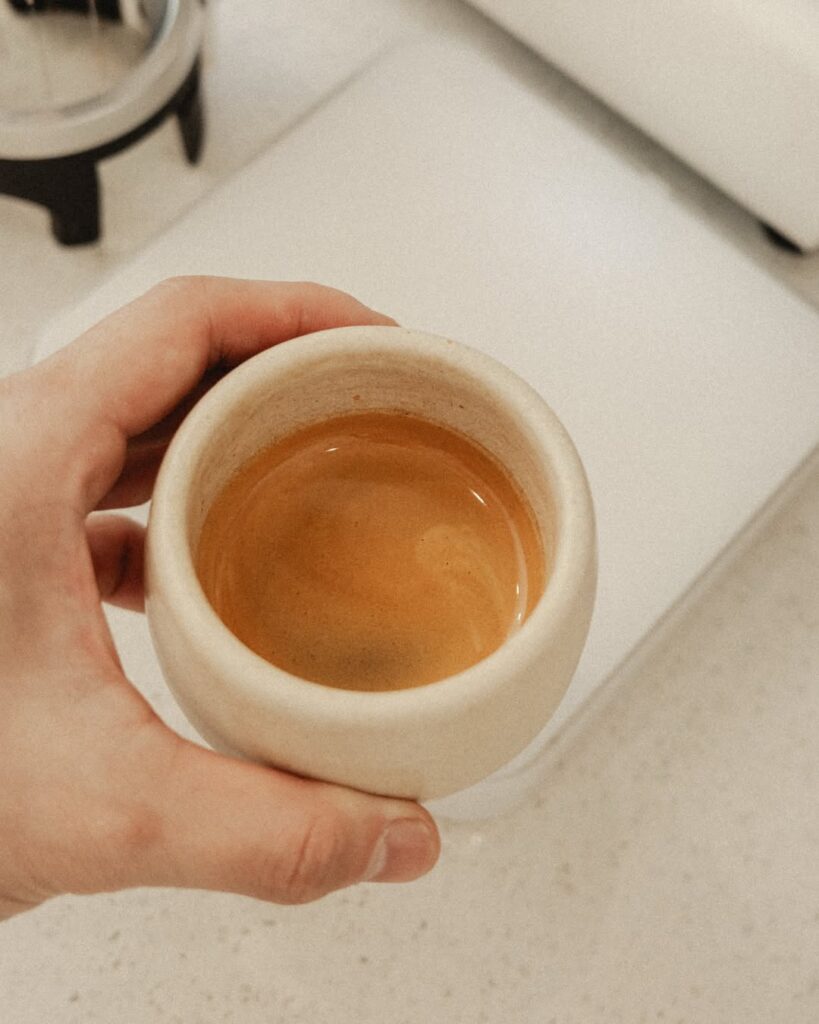
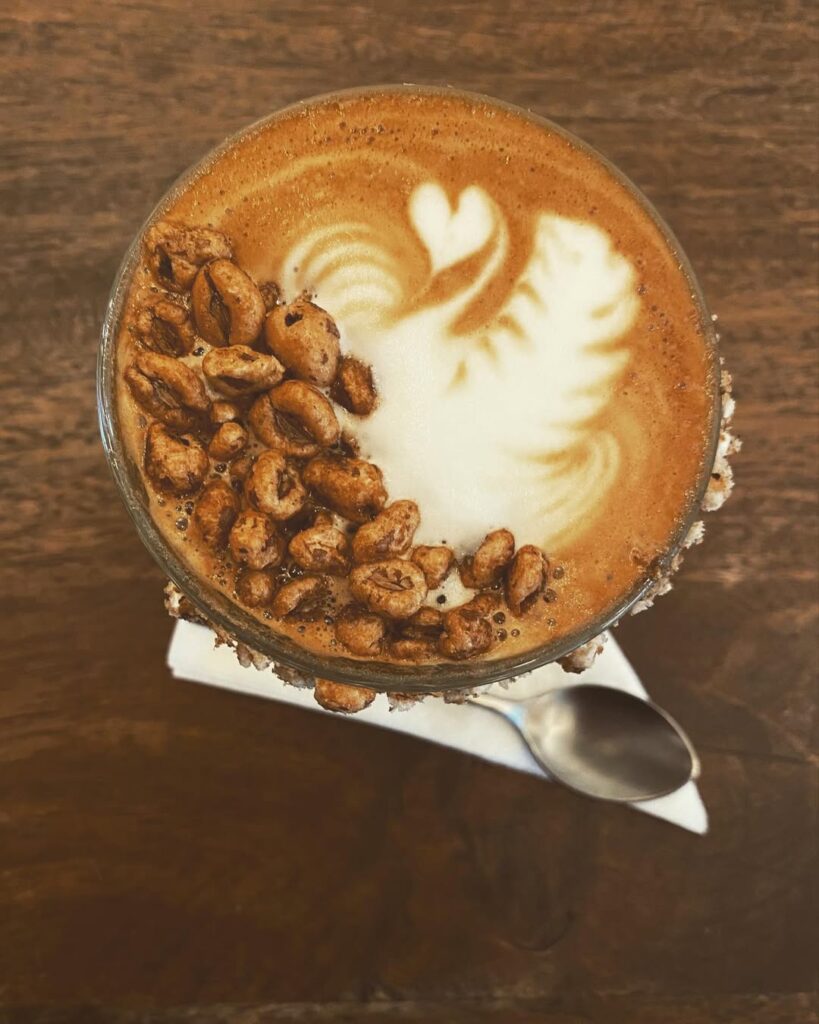
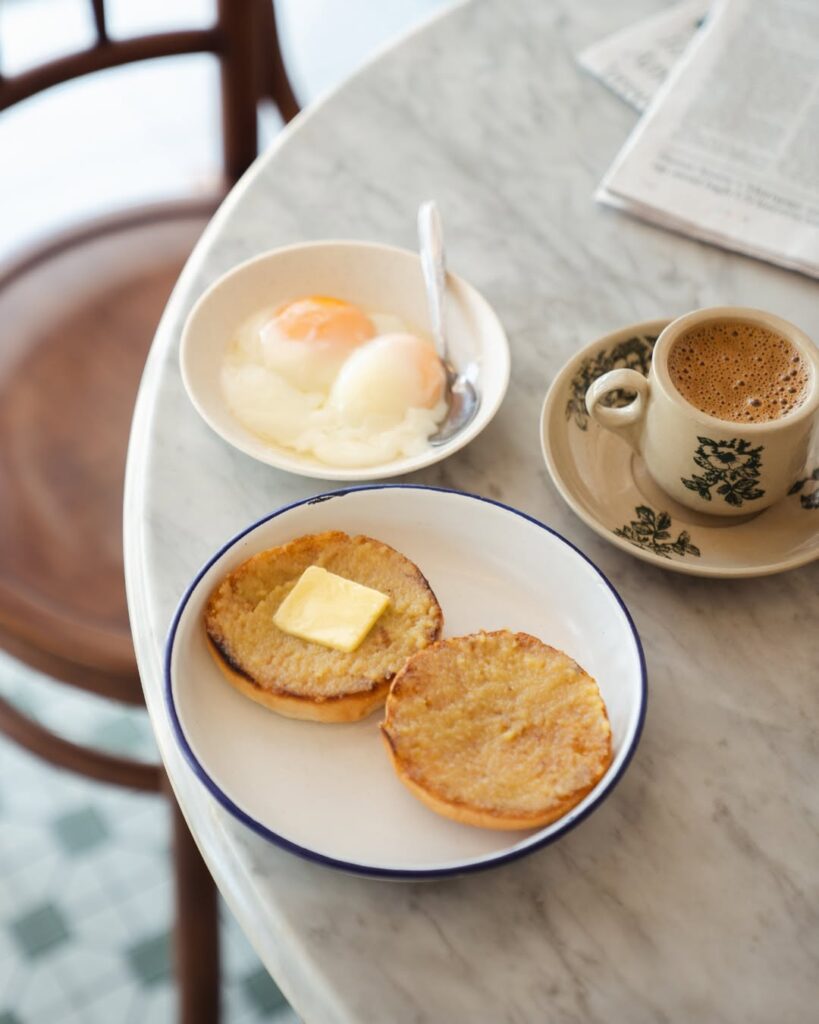
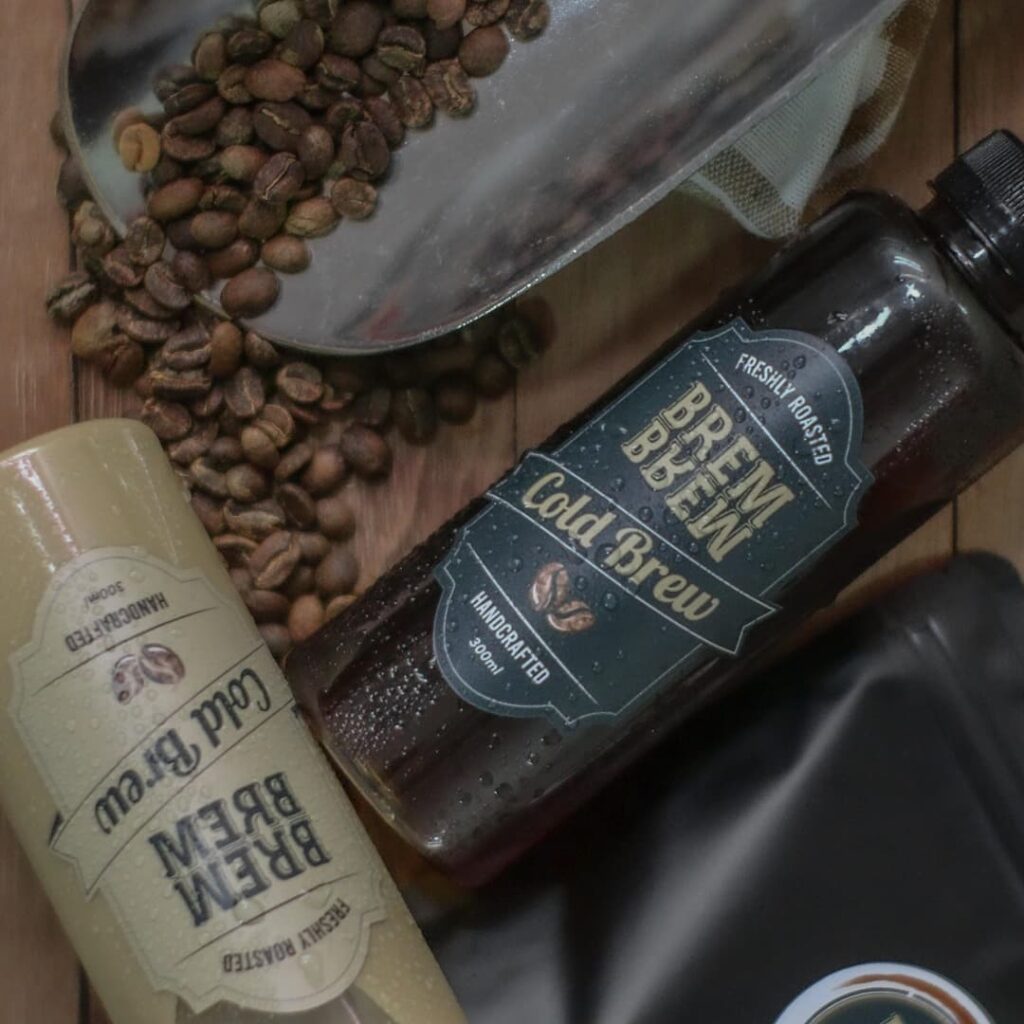
Where else can you find such an extraordinary range of coffee experiences within a few kilometres? At one end of the spectrum sits Apartment Coffee, one of the country’s most acclaimed specialty coffee destinations and a regular fixture on international coffee enthusiasts’ itineraries.
Then there are longstanding names such as Infusion Roastery, independent gems like Oddity Cafe, Saba Coffee, and new favourites including Shu Bakery, where excellent pastries are matched by equally thoughtful coffee programmes.
“The reality is that most people moving abroad don’t want to spend six months feeling like tourists.”
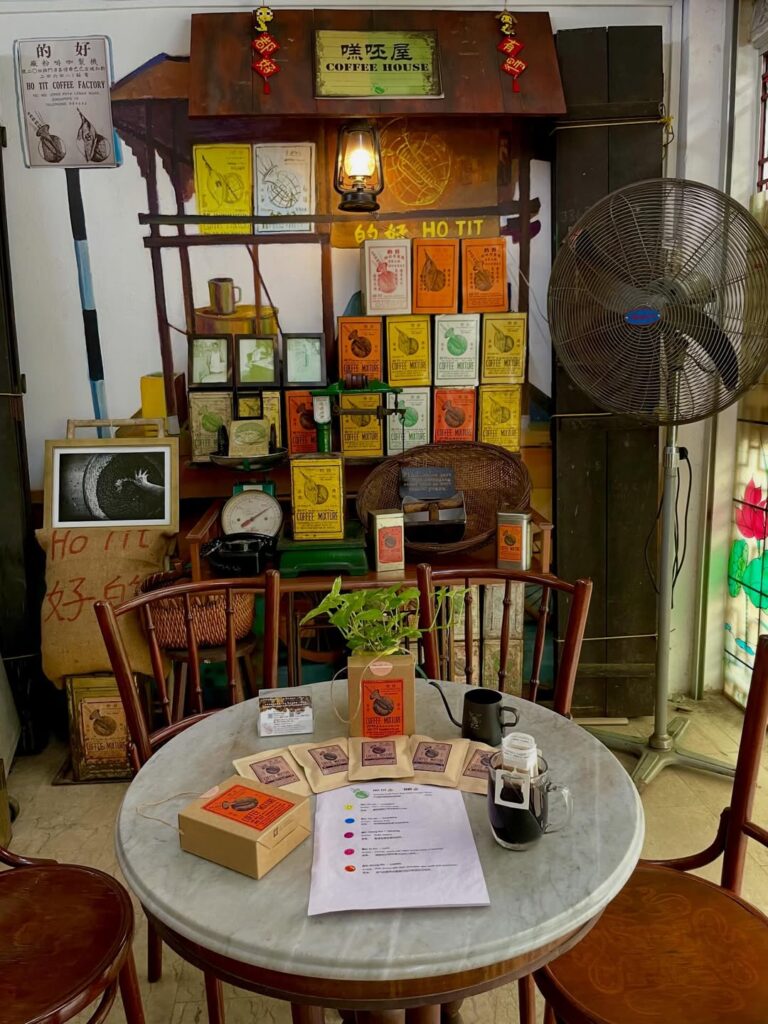
The coffee story doesn’t stop there. Home-based operators such as Bucket Hat Sips and 48 Richards Place Coffee represent a new generation of community-focused coffee culture, while heritage institution Ho Tit Coffee Powder Company preserves a traditional side of Singapore’s coffee history that feels increasingly rare today.
Even Katong icon Chin Mee Chin has recognised the neighbourhood’s growing appeal, opening its first outpost outside the East Coast at NEX.
But coffee is only part of Serangoon’s charm.
The area remains deeply rooted in Teochew culture, with generations of family-run businesses, traditional eateries, temples and community spaces contributing to a rich neighbourhood identity.
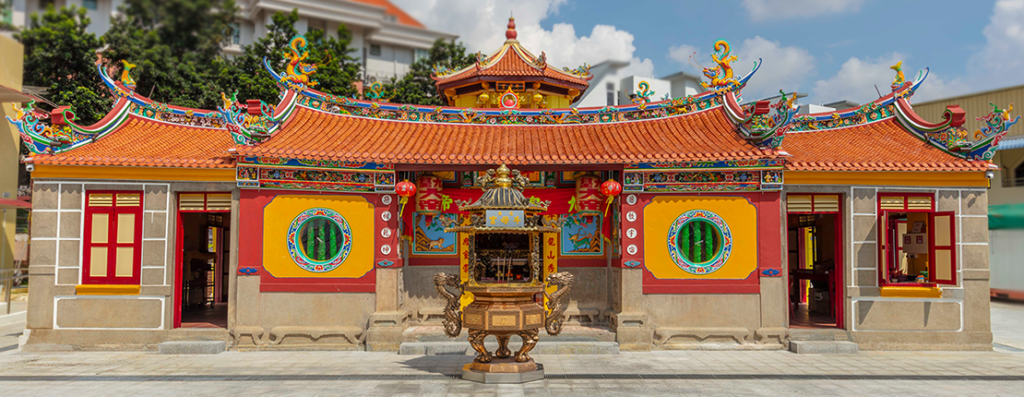
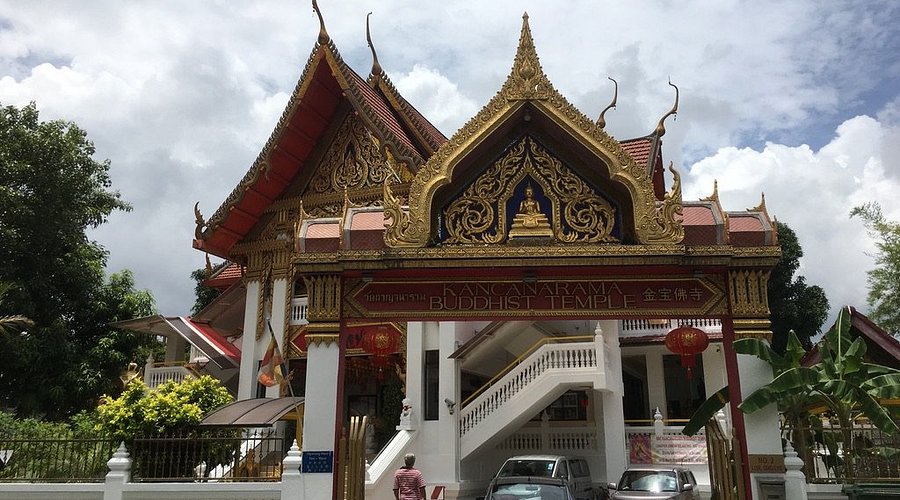
Spend enough time wandering the side streets and you’ll uncover old bakeries, heritage shops and stories that many visitors to Singapore never encounter.
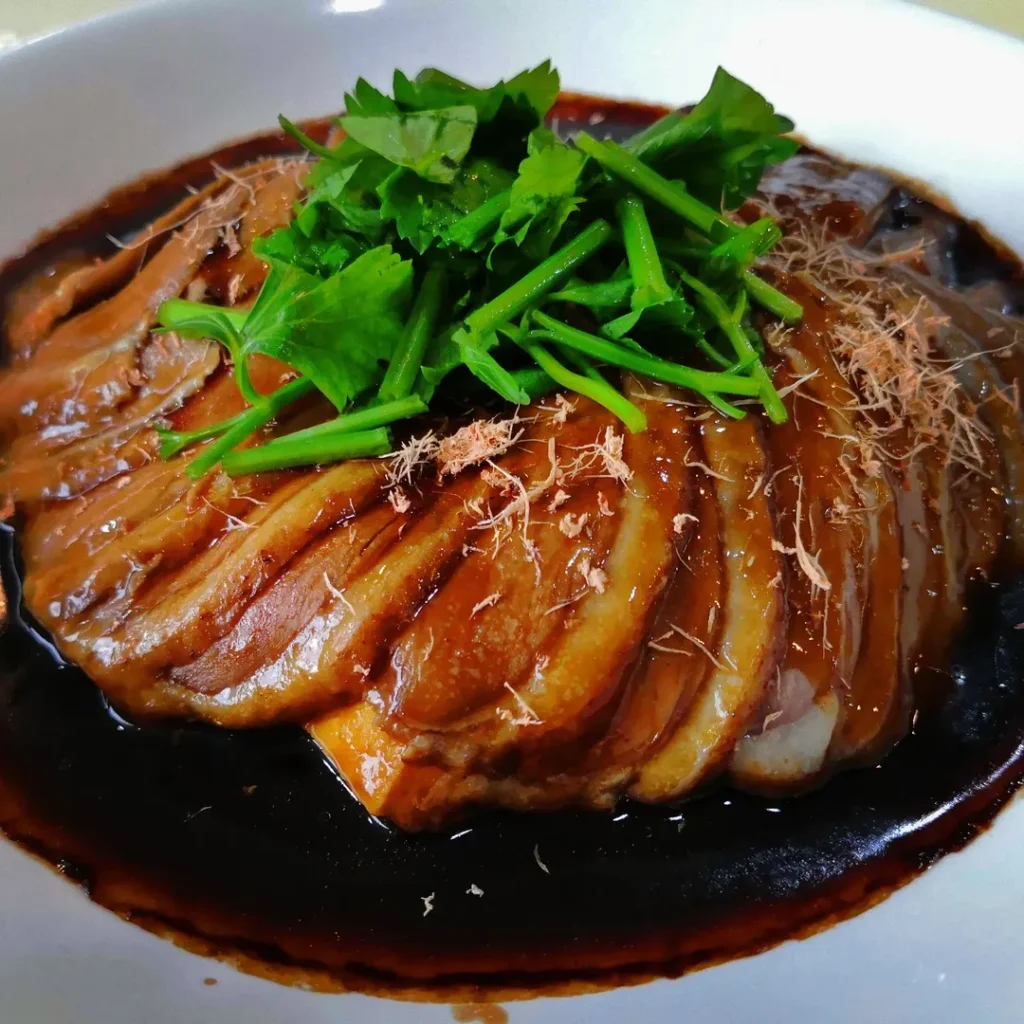
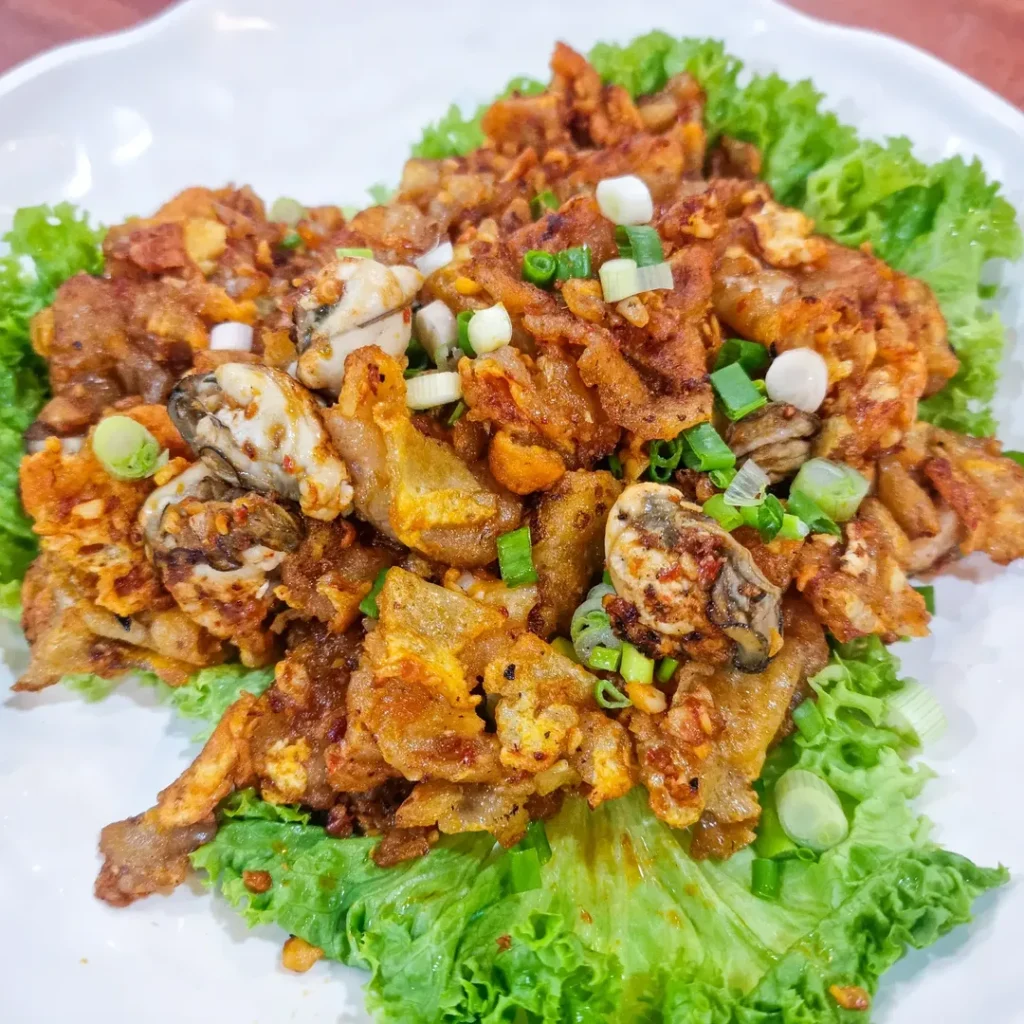
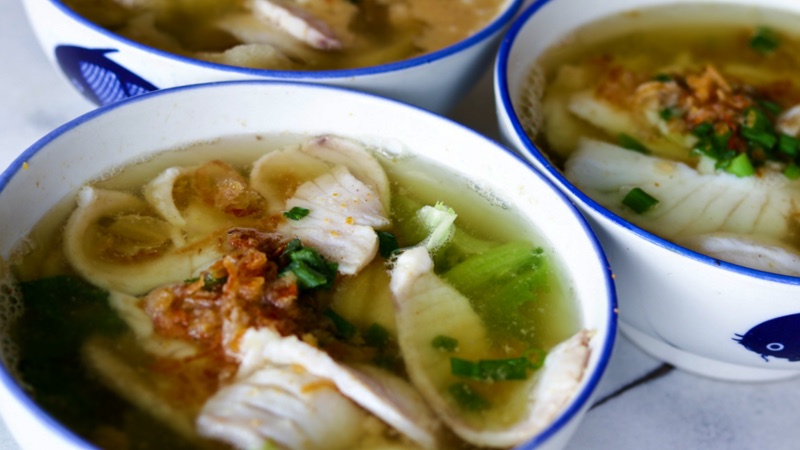
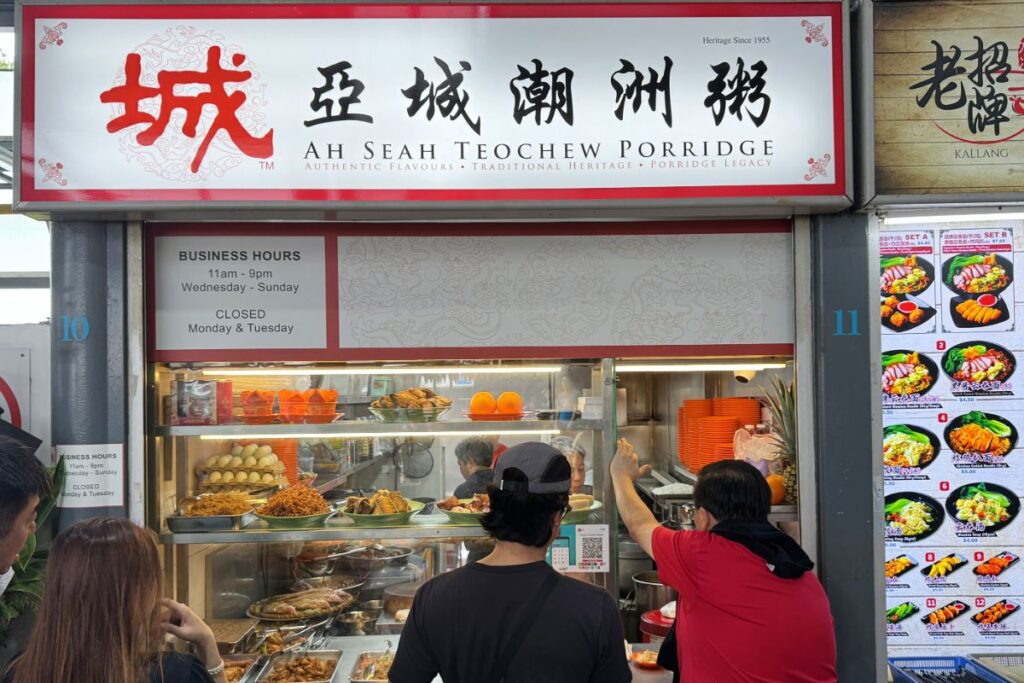
Unlike newer residential towns such as Sengkang or the more utilitarian stretches of Hougang, Serangoon retains a distinctly premium feel. It strikes a rare balance between suburban comfort and urban sophistication.
Better still, it’s exceptionally connected. With both the North East Line and Circle Line converging at Serangoon MRT, residents can reach the CBD, Marina Bay, One-North and many other business districts with ease.
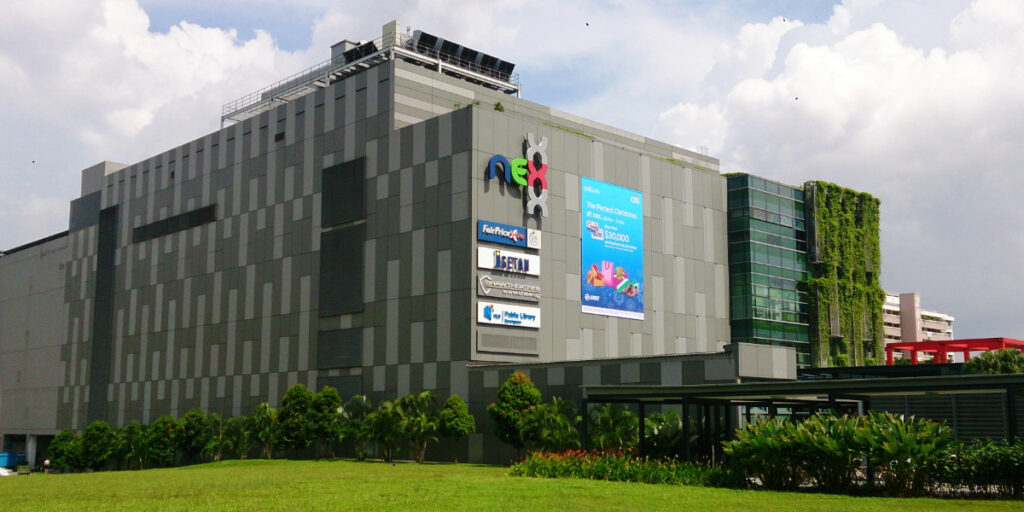
For anyone relocating to Singapore for the medium or long term, choosing a neighbourhood isn’t just about convenience. It’s about choosing the kind of experience you’ll remember when you leave.
And if you choose Serangoon, chances are you’ll leave with more than just an address. You’ll leave with favourite cafés, familiar faces, local stories and a genuine connection to Singapore that most visitors never get the chance to experience.
Follow us @mbersg for updates about life around Teck Chye Terrace.