

Why the ideal workplace Today Looks More Like a Lifestyle Club
Socials
There was a time when a workplace was simply a place to work.
Rows of desks, dreary cubicles, fluorescent lighting, a pantry stocked with instant coffee and perhaps a meeting room or two. Meanwhile, fitness belonged to the gym, recovery happened at home, and mindfulness was largely absent from the corporate vocabulary.
Today, that thinking feels increasingly outdated.
Around the world, a new generation of professionals is redefining what productivity looks like. Rather than viewing work and wellbeing as competing priorities, many now see them as deeply interconnected. The result is the emergence of a new category of space: the wellness workspace.
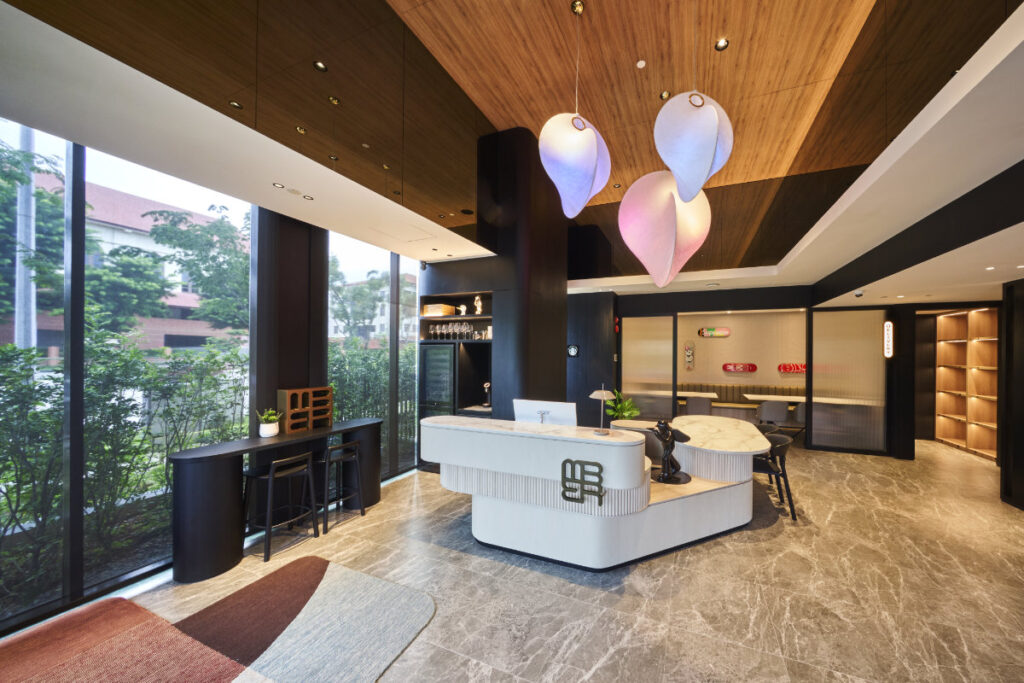
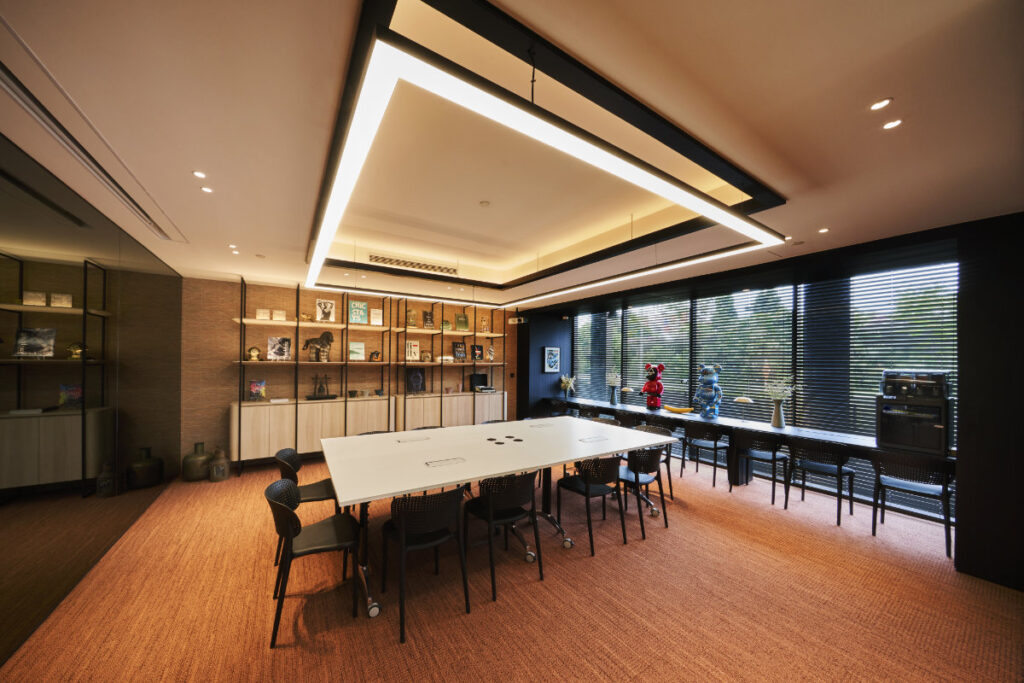
Part co-working hub, part fitness club, part sanctuary from the demands of modern life, wellness workspaces are designed around a simple idea: people perform better when they feel better.
This shift is hardly surprising. As remote work, hybrid schedules and flexible lifestyles become increasingly common, professionals are spending more time thinking about how their environment affects their physical and mental wellbeing. The question is no longer simply “Where do I work?” but rather “How do I want to live?”
Wellness workspaces are designed around a simple idea: people perform better when they feel better.
A Great Gym Makes All The Difference
Fitness has become one of the defining lifestyle movements of our time. Running clubs have replaced networking events. Strength training has become mainstream. Recovery protocols once reserved for elite athletes are now embraced by executives, entrepreneurs and creatives alike.
As a result, the quality of a gym has become an increasingly important factor when choosing where to live, work and spend time.
A good gym is no longer a nice-to-have amenity tucked away in the basement. It has become a cornerstone of modern lifestyle design. The best facilities support not only physical performance, but also consistency. They make it easier to train before work, recharge after meetings and maintain healthy routines despite busy schedules.
A good gym is no longer a nice-to-have amenity tucked away in the basement. It has become a cornerstone of modern lifestyle design.
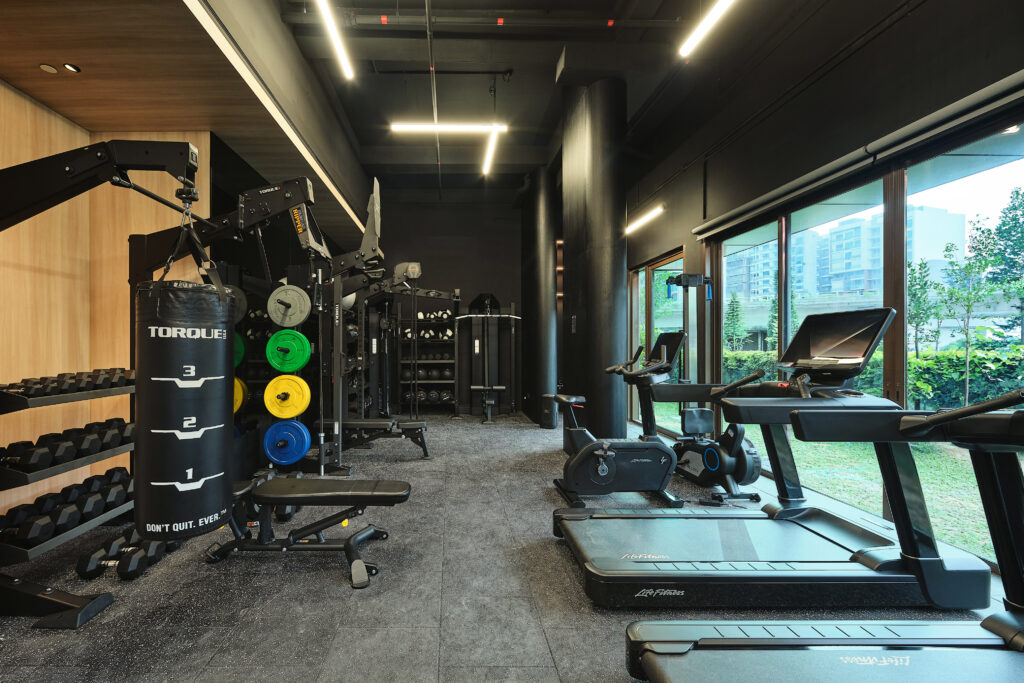
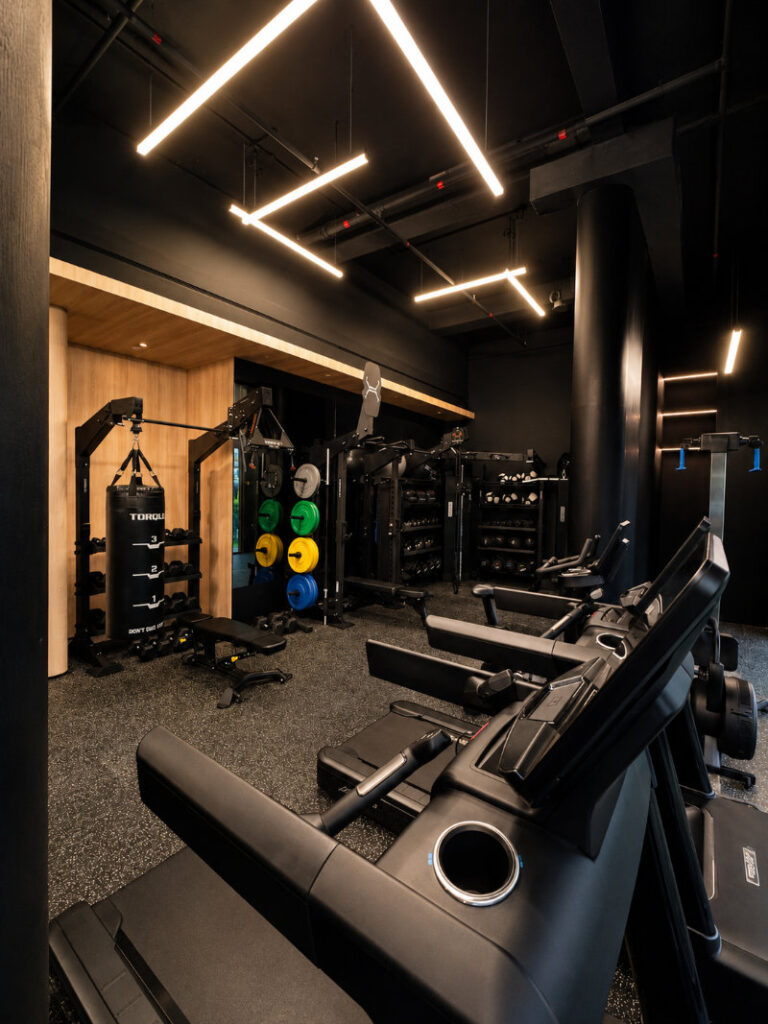
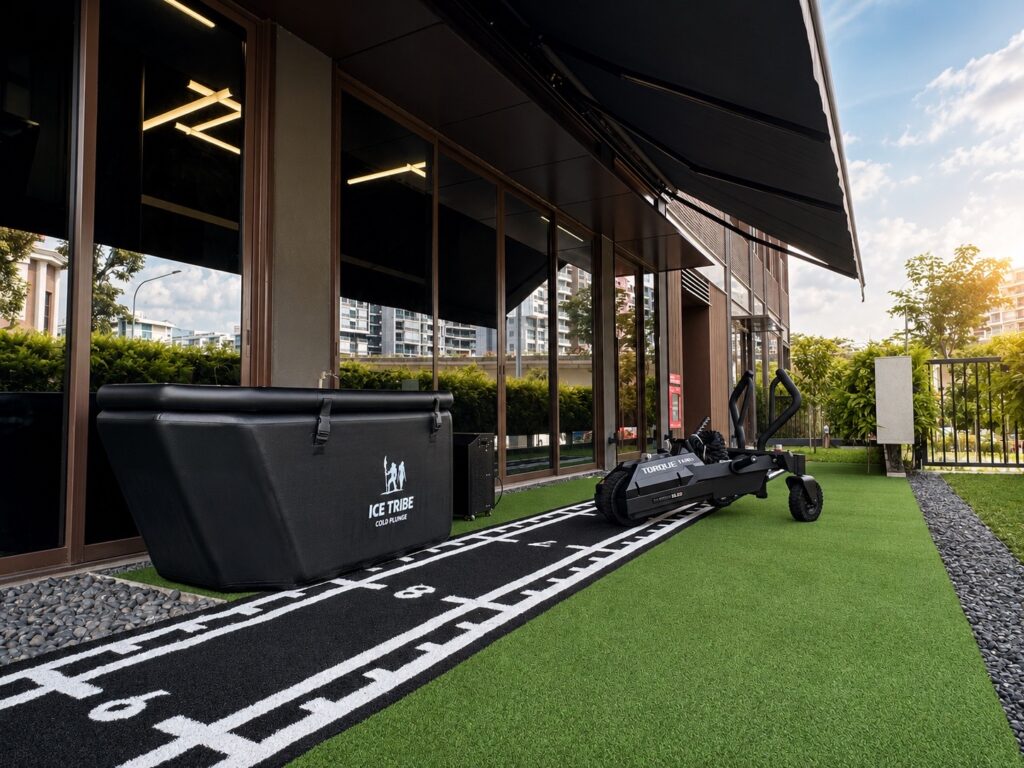
At Mber Co-Living & Serviced Apartments, this philosophy comes to life through GYMber, a contemporary fitness space designed to support a wide range of training styles. Whether you’re lifting weights, preparing for a HYROX event, improving mobility or simply maintaining an active lifestyle, the focus is on creating an environment where movement feels like a natural part of daily life rather than another item on a to-do list.
Yet fitness is only one piece of the equation.
The Rise Of Recovery Culture: Cold Plunges And Wellness Pools
Increasingly, wellness experts are highlighting the importance of recovery. The most effective training programmes are not built solely around intensity, but around balance. This has fuelled growing interest in practices such as cold-water immersion, contrast therapy and restorative wellness experiences.
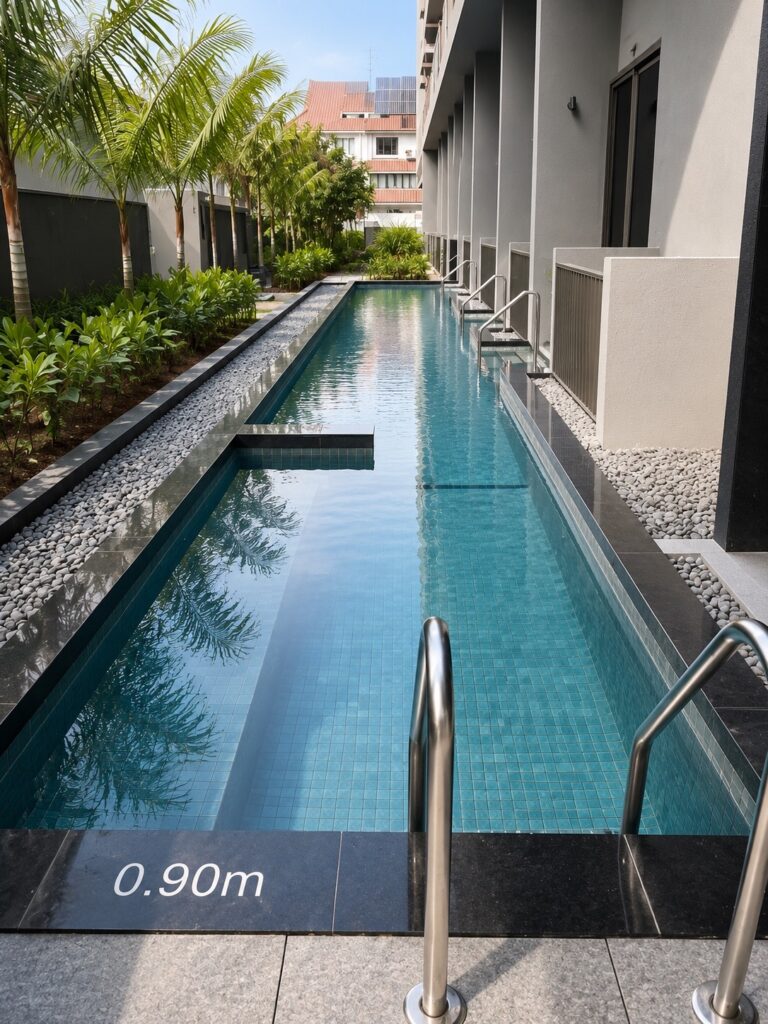
Mber’s cold plunge and wellness jacuzzi pool reflect this broader shift. Some guests use the cold plunge to aid recovery after a workout. Others simply appreciate the mental clarity that comes from stepping briefly outside their comfort zone. The wellness jacuzzi pool, meanwhile, offers a gentler counterbalance — a place to slow down, decompress and let the pace of the day soften.
But perhaps most interesting of all is the growing recognition that true wellness extends beyond the physical.
Quiet Spaces For Meditation, Reflection And Digital Detox
In an age of constant notifications, endless scrolling and perpetual connectivity, spaces for stillness have become increasingly valuable. Quiet moments are no longer something that simply happen; they must often be intentionally created.
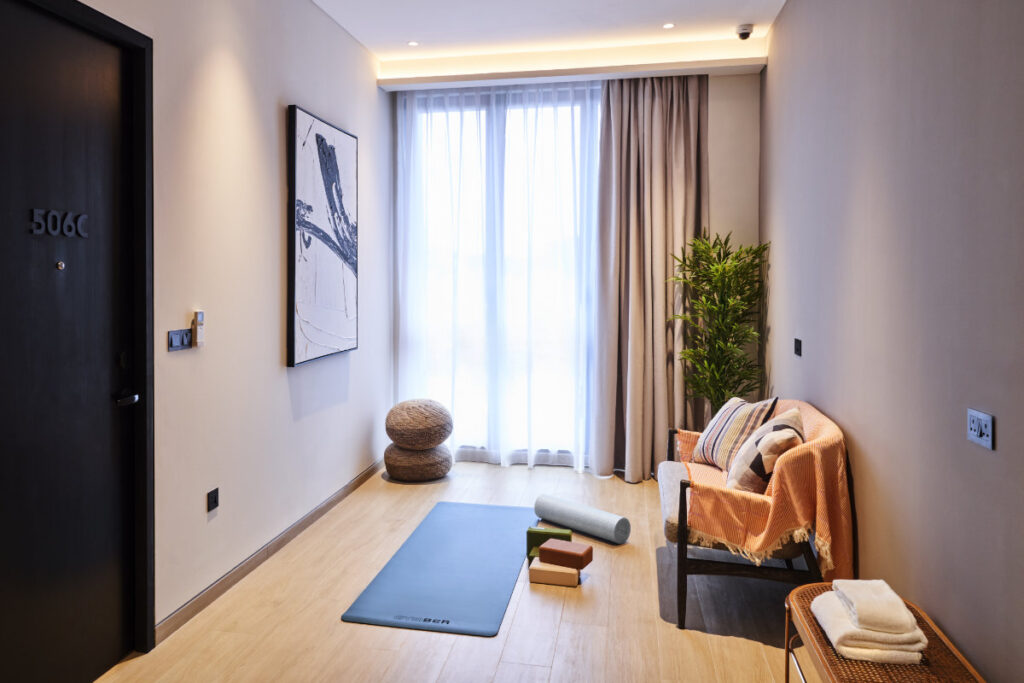
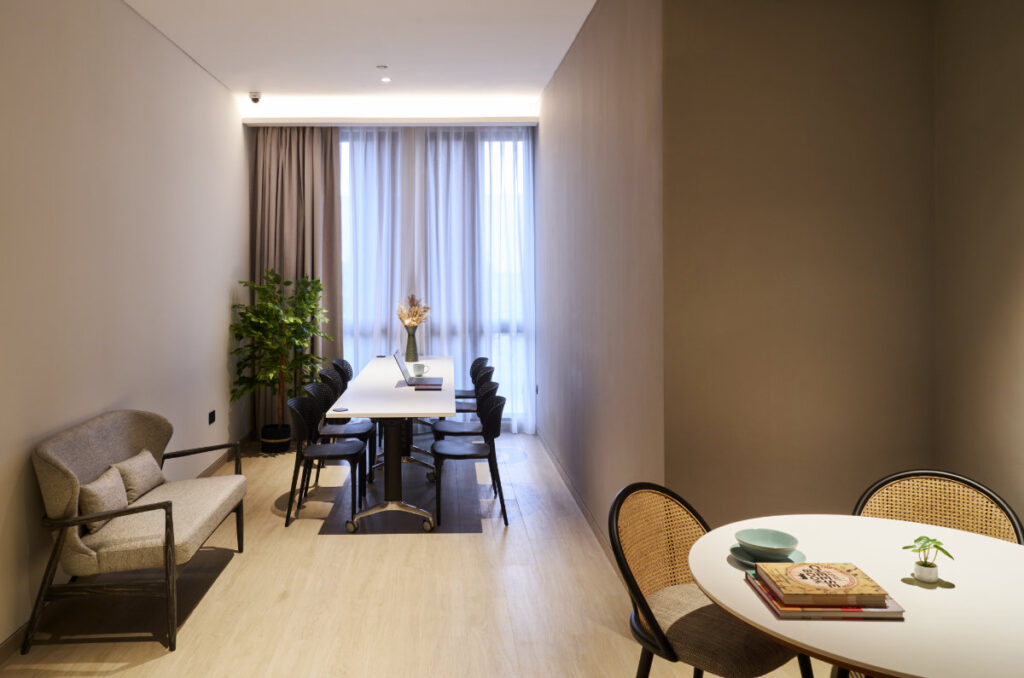
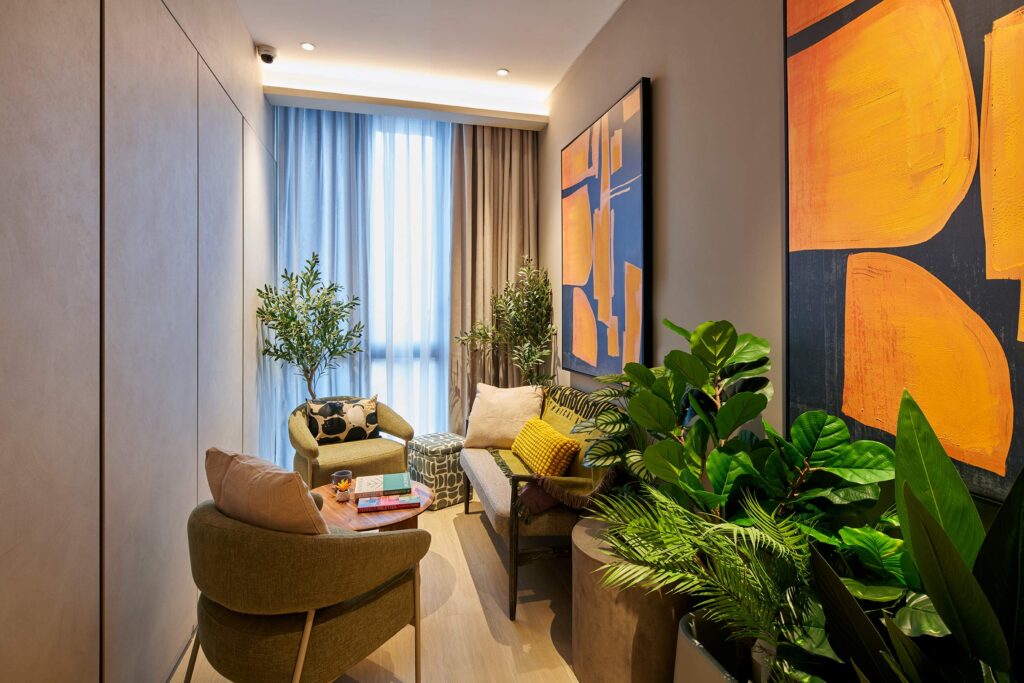
This is where spaces such as Mber’s Quiet Room and Yoga Room play an important role. These rooms are not designed around productivity metrics or performance goals. Instead, they provide opportunities for reflection, meditation, breathwork, stretching, journalling or simply stepping away from screens for a few moments of calm.
In many ways, they represent a modern luxury: uninterrupted attention.
The rise of wellness workspaces reflects a broader cultural shift. We are moving away from the idea that work, fitness, recovery and personal wellbeing exist in separate silos. Instead, they are increasingly viewed as interconnected parts of a holistic lifestyle.
The most successful spaces of the future may not be the ones that maximise output, but those that help people sustain their energy, focus and wellbeing over the long term.
Because ultimately, the goal is not simply to work harder. It’s to live better.